Why Do My Eyes Feel Strained? The Hidden Problem of Eye Imbalance
Am I experiencing eye strain? Answer the following questions to find out:
Do bright lights or outdoor sunlight make you feel uncomfortable, dizzy, or overwhelmed?
Do you experience headaches, the feeling of increased eye pressure, or eye strain after screen time or reading?
Have you been told you have 20/20 vision, but your eyes still feel tired or uncomfortable?
Do you feel mentally drained, foggy, or unable to focus after visually demanding tasks like reading, screen time, and studying?
Do you feel worse in grocery stores, big box stores, or large open spaces?
Do you often have to re-read sentences because the words don't seem to "stick"?
If you answered yes to some of these questions, you are experiencing eye strain and your symptoms might be related to binocular vision strain. One common cause of visual strain is subtle eye misalignment, which often goes undetected.
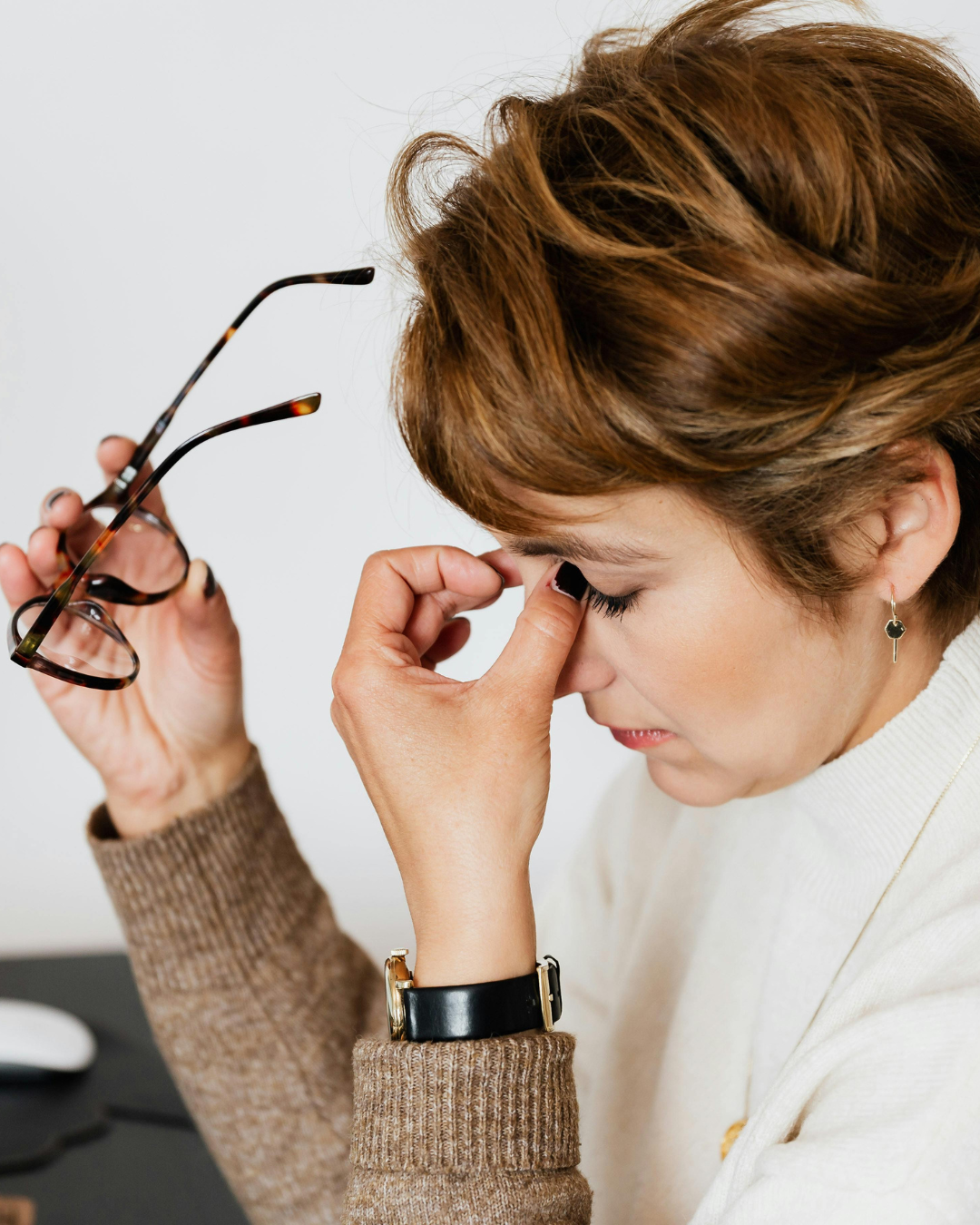
Why Small Eye Misalignments Matter
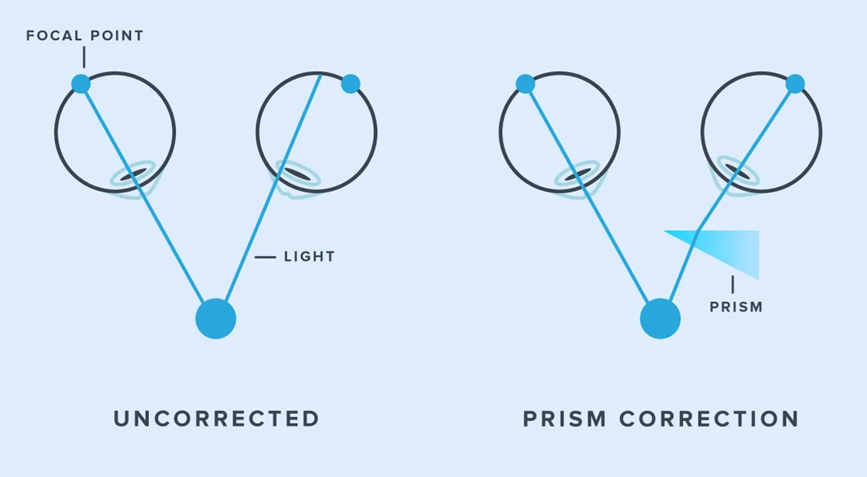
For clear and comfortable vision, your eyes must aim at the exact same point so that your brain can merge the two images into one. Even a very small alignment imbalance (called a phoria) can stress the visual system. You can think of phoria as our eyes’ natural resting misalignment that typically stays hidden.
To put it simply:
Your eyes are designed to work together and point at the same spot.
Most of the time, your brain keeps them perfectly aligned.
But if you briefly “turn off” that coordination (like covering one eye), each eye may drift slightly inward, outward, up, or down.
Most people with mild misalignments do not see double and don’t have a noticeable eye turn. Instead, the brain works continuously behind the scenes to keep the eyes aligned and vision stable. But that effort comes at a cost. Over time, this extra work of your brain compensating for alignment imbalances can lead to digital eye strain, headaches, and difficulty concentrating.
Your Visual System Uses a Lot of Brain Power
Vision is closely connected to balance, posture, attention, and spatial awareness.
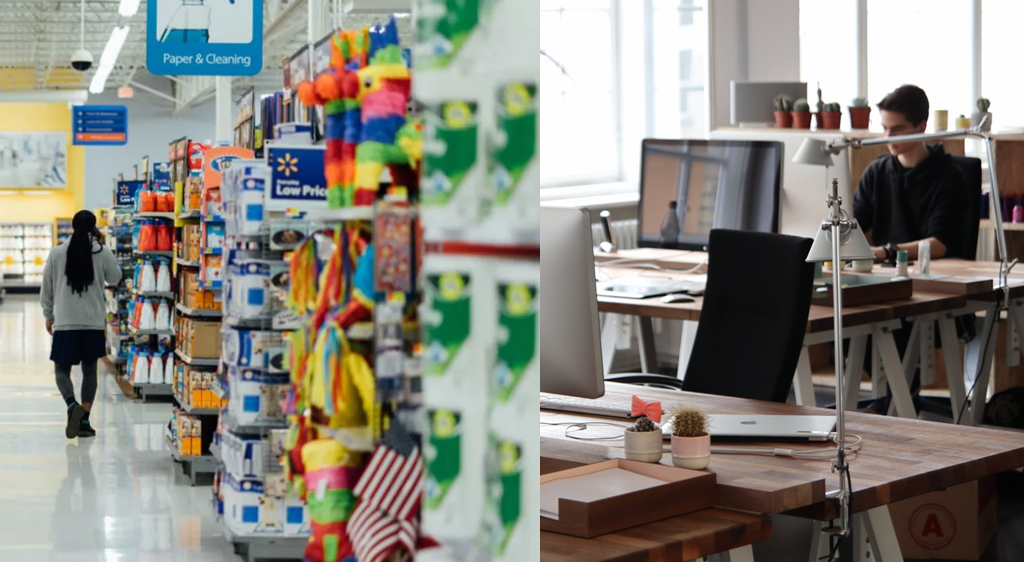
Your brain is constantly processing visual information to help you move through the world safely and efficiently. When you add visually demanding tasks, like working on screens all day, the load increases even more. Some people also notice that their eye strain symptoms become worse in visually busy environments, such as grocery stores or large open retail spaces where bright lighting, long aisles, moving people, and large amounts of visual information place a heavy demand on our visual systems. Many people assume this feeling is related to anxiety or stress, but in some cases it may actually be linked to hidden binocular vision strain.
If your brain is constantly working overtime just to stabilize visual input, it has less energy available for focusing, processing information, memory, and emotional regulation.
Over time, this extra neurological effort can show up as:
Frequent headaches or head pressure
Mental fatigue or brain fog
Reduced focus or attention
Dizziness or overwhelm in busy spaces (malls, grocery stores, highways)
Sensitivity to bright lights
Nausea
Neck and shoulder tension
Avoidance of reading or visually demanding tasks
These symptoms are especially common in high screen users, students, busy professionals, neurodivergent indivduals, post-concussion patients, and people under chronic stress.
Looking Beyond 20/20 Vision: A Question Many Patients Ask
One of the most common things patients say after discovering a hidden eye alignment issue is: “Why hasn’t anyone told me about this before?”
Often, it’s because their vision tested 20/20, so they assumed everything was fine. But clear vision isn’t always comfortable vision. If you experience eye strain, headaches from screens, brain fog, or difficulty focusing, even though your eyes appear normal, there may be more to explore.
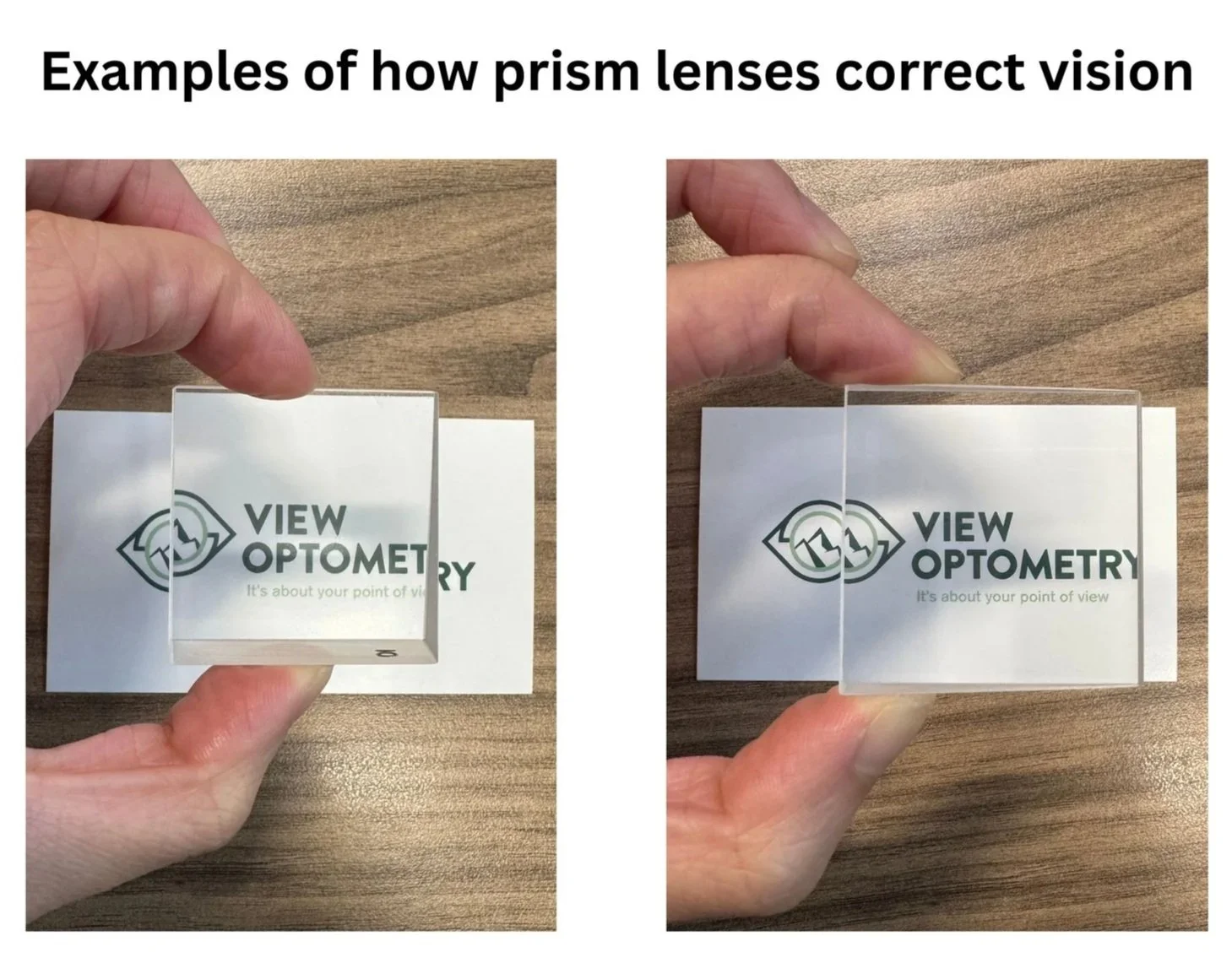
At our office Dr. Leung has developed a special interest in identifying subtle visual alignment problems that can cause chronic eye strain. Many patients she sees have been told their vision is normal. Some notice headaches or visual fatigue by the end of the day, while others simply assume their symptoms are unrelated to vision. During an eye exam, Dr. Leung looks for small clues that may suggest hidden eyestrain. When needed, additional testing can reveal whether the visual system is working harder than it should. If an alignment imbalance is present, specialized lenses with prism can often help the eyes relax, making vision clearer and more comfortable.
Book with Dr. Leung today by calling us at 604 770 2095 or by booking online!