
Contact Lenses 101: What You Need To Know (But Probably Don’t)
When people think of contact lenses, they think of them as an alternative to glasses. However, there is more to contact lenses than meets the eye. Contact lens wearers are often shocked by how advanced, and health focused contact lenses are currently. Here are some facts about contact lenses that may change the way you view them.
Contact Lenses are Medical Devices
People tend to think of contact lenses as something that is purely cosmetic. What many don’t consider is that contact lenses are medical devices that require proper fitting and prescriptions. Wearing contact lenses that were not prescribed for you can increase the risk of complications, which include infections and damage to your cornea. Even lenses that don’t correct vision, such as coloured contacts for costumes, require proper fitting. A contact lens exam confirms a proper fit, so the lenses allow enough oxygen to reach the cornea and provide correct vision.
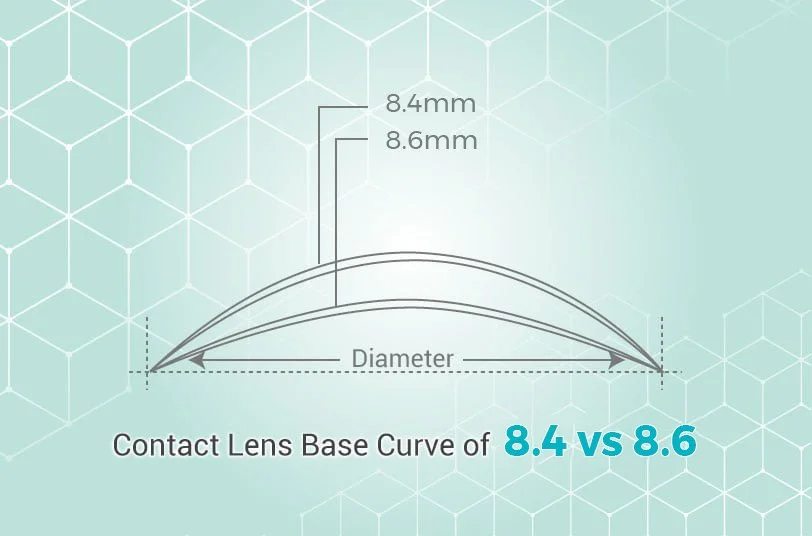
2. One Size Does Not Fit All
Unlike glasses, which can be fit to your head, contact lenses are designed to match the shape and curvature of your eye. Two people with the same glasses’ prescription can require different contact lens prescriptions. Wearing lenses that don’t fit can cause discomfort, poor vision, and can increase your risk for infection. Lenses that fit correctly provide proper oxygen flow and alignment with the eye’s surface. Aside from prescription, the other two important measurements to fit contacts are base curve (BC) and diameter (DIA). Imagine a bowl that is deep and another that is flat, this is base curve. Diameter is how large across the contact lens is. Every eye is unique and will require a different lens depending on the shape of the cornea (front surface of the eye).
3. New Technology Has Made Lenses More Comfortable
If you have previously worn contact lenses and found them uncomfortable, it might be worth it to try them again. Modern contact lenses are made from materials like silicone hydrogel that allows more oxygen to reach your eye compared to older lenses. Increased oxygen flow support eye health and lets you comfortably wear the lenses for longer. There are even lenses designed to retain moisture throughout the day, which is great for people who spend hours every day staring at digital devices. There are also lenses that help reduce digital eye strain such as the monthly Biofinity Energys or the daily My Day Energys!
4. Contact Lenses Can Correct More Than Basic Vision Needs
Patients often think of contacts for correcting nearsightedness or farsightedness. Contact lenses can do so much more than this now. Toric contact lenses can correct astigmatism. Multifocal contact lenses can help you see both near and far without reading glasses. Specialized contact lenses such as scleral lenses offer improved vision and comfort for people previously told they couldn’t wear contacts. These lenses can be great for people with cornea diseases like keratoconus or severe dry eye.
5. Contacts Can Be Corrective AND Preventative
Advances in contact lens technology now means that contacts can be corrective and prevenative! Myopia control contact lenses are specially designed contacts that help slow the progression of myopia eye growth. These lenses can reduce the likelihood of your prescription increasing, and are particularly beneficial for children who are genetically predisposed to having high myopia (severe nearsightedness). A few options we offer at View Optometry for myopia control lenses are orthokeratology contacts, and Misight contacts.
6. Daily Disposable Lenses Can Be Healthier
Although many people still wear bi-weekly or monthly contacts, daily disposables have become popular because starting each day with a clean pair reduces bacteria and allergen accumulation. Reusable lenses are often linked to an increased risk of eye diseases and discomfort. Plus, these lenses are great for part time wearers or vacations.
7. Sleeping in Contact Lenses is Risky
People who sleep in their contacts have a 6-8x higher risk of developing eye infections! Closed eyelids limit oxygen to the cornea and allow bacteria to collect under the lens.
In rare cases, your contact lens may be approved to sleeping in. One reason it would be appropriate to sleep in a contact lens would be if you had an eye injury or are a post laser eye surgery patient, in this case, an optometrist would use a bandage contact lens that you are allowed to sleep in over night. You would be closely monitored while doing this.
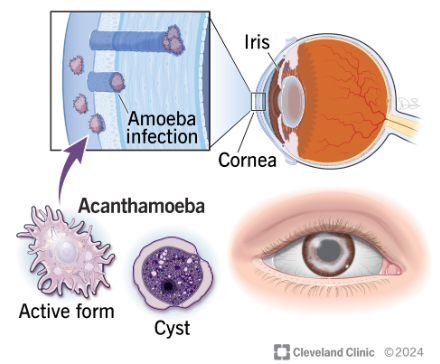
Acanthamoeba Keratitis
10. Water and Contact Lenses Don’t Mix
Many people don’t consider how exposure to water can affect your contact lenses and eye health. While it might seem harmless to wear to contacts while showering or swimming, exposing them to water can introduce harmful microorganisms. One of the most common risks is acanthamoeba keratitis, which is a rare parasitic infection that is vision threatening. Always remove your contact lenses before swimming and showering or use watertight goggles. You should also never rinse or store your contact lenses in tap water. As a teenager Dr. Hines did this thinking it was the same as contact lens solution, boy was she wrong, in the morning she put the lenses in her eyes and they burned so much she had to throw away the lenses.
11. Your Eyes Can Change Over Time
Some people assume that their first contact lens prescription will remain accurate and effective for several years. However, vision and eye health can change for many reasons, including age, lifestyle, and medical conditions. Regular eye exams are essential to ensure that your contact lens prescription and chosen contact lens style keeps working for you as the years go by. This is also why contact lens prescriptions expire after one year.
12. Contact Lens Care Is More Important Than You Realize
Proper lens care goes above and beyond just storing your contact lenses in their case overnight. Small habits can add up and make a big difference in preventing complications. Consistent and proper care is critical to maintain good eye health.
A few care tips:
Don’t reuse contact solution
Gently rub your lenses with solution after removal to clean them
Replace or clean your contact lens case regularly (a good rule of thumb is to replace the case with every large bottle of solution you use)
Avoid using expired solution or contacts
13. Contact Lenses Can Boost Confidence and Lifestyle Flexibility
While this last point may seem obvious, people often underestimate how much of an impact contact lenses can have on your life. Besides vision correction, contact lenses can help you in your daily life by providing a wider field of vision, compatibility with sunglasses, and freedom during physical activities. This can lead to improved confidence and convenience. Many patient with high prescriptions feel like they can only use contact lenses because glasses will have some distortions in the vision off to the periphery of the lens. Dr. Leung personally prefers to use contact lenses as her prescription is quite high!
Book Now to Discuss Your Contact Lens Options!
Overall, contact lenses are more advanced, versatile, and beneficial than many people realize. However, they are medical devices that require proper fitting, care, and regular monitoring. Understanding more about contact lenses can help you avoid common risks and make informed decisions about your eye health.
If you’re considering contact lenses, book with one of our optometrists at View Optometry. We offer contact lens exams and training to help you find the right lenses for you. We carry daily, weekly, biweekly, monthly, multifocal, hard (RGPs), and orthokeratology contact lenses. Our optometrists can help you find contact lenses that fit your needs.
This blog was written in part for the work-integrated learning program at Capilano University by: Nelson Le, Daphne Nguyen, Katherine Nguyen, Andy Richard, Aastha Sharma